
Benefits of Commercial Cleaning Services for Workplaces
Discover the benefits of commercial cleaning services, from healthier teams to stronger first impressions, safer sites, consistent standards, and protected assets.
Benefits of Commercial Cleaning Services: Why a Clean Workplace Pays Off
A clean workplace does more than “look nice.” It shapes how people feel, how confidently they work, and how your business gets judged within seconds. When cleaning feels inconsistent, everything suffers. Morale drops, visitors notice, and small hygiene issues turn into bigger headaches.
We wrote this guide to help you make clear, confident decisions about commercial cleaning services. It draws on practical site experience, standard cleaning checklists, and quality-control methods used across professional cleaning teams. The goal is simple: give you a trustworthy, useful view of what professional cleaning changes, and why it often pays for itself.
Benefits of Commercial Cleaning Services – Quick Answer
Benefits of commercial cleaning services go way beyond a tidy look. You get a fresher, healthier space because high-touch points, washrooms, and shared areas stay under control. Staff feel more comfortable, visitors trust you quicker, and your workplace looks ready for business every single day.
Professional tools and clear checklists lift the standard and remove the “hit or miss” problem. Floors last longer, carpets stay brighter, and safety improves when walkways stay clean and dry. Best of all, you stop chasing supplies, cover, and quality because the service brings structure and accountability.
London Commercial Cleaning That Keeps Standards Consistent | Soluxe Cleaning Services
If you want a workplace that looks sharp every day, we keep standards consistent with clear checklists and reliable teams. Less chasing, fewer complaints, smoother days. Contact Soluxe Cleaning Services.
What Commercial Cleaning Services Include
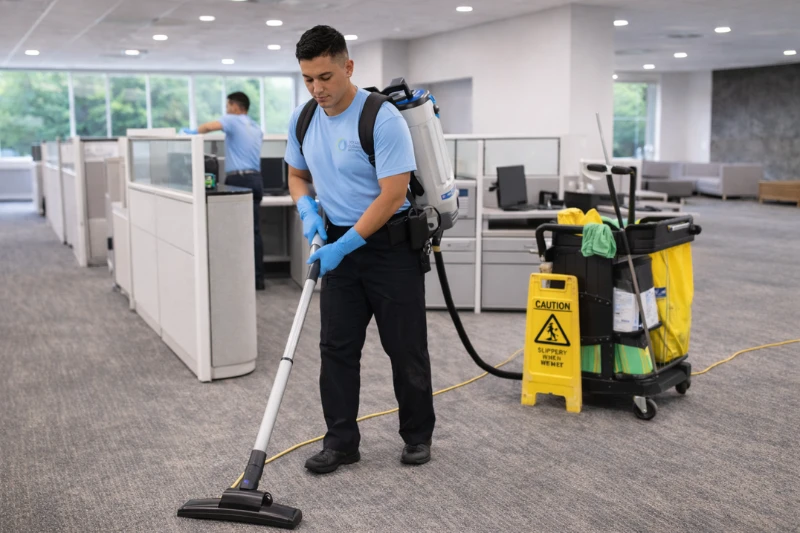
Commercial cleaning covers the routine and deep-clean needs of workplaces, shared buildings, and customer-facing sites. It usually includes washrooms, kitchens, floors, touchpoints, and waste, plus the “always visible” areas like entrances, meeting rooms, and reception.
The scope changes by site, footfall, and industry, but the principle stays the same: consistent cleaning that suits how the space gets used.
A strong service also covers the parts that often get missed when cleaning happens ad hoc. That might include high-touch points (handles, switches, lift buttons), skirting lines, corner build-up, and the details that quietly affect how a space feels. Done right, cleaning becomes reliable and predictable, not a weekly surprise.
Routine Cleaning vs Deep Cleaning
Routine cleaning keeps your site in shape day to day. It focuses on visible tidiness, hygiene hotspots, and the areas people use constantly. This is where you win on workplace hygiene, odour control, and that “fresh” feel that employees notice straight away.
Deep cleaning handles build-up that routine cleaning cannot fully remove. Think of grout lines, heavy traffic marks, long-term dust, high-level areas, and periodic carpet care. A good plan blends both, so your site stays pleasant now and stays healthy long term.
Common Tasks You Can Expect
Most commercial cleaning scopes include floors (vacuum and mop), washroom cleaning and sanitising, bin removal, kitchen and breakroom cleaning, desk and surface wipe-downs, and glass spot-cleaning. Many providers also offer consumables support, such as soap, paper products, and air fresheners, depending on your needs.
Add-ons often include carpet cleaning, upholstery cleaning, window cleaning, high-level dusting, and periodic deep cleans for washrooms or kitchens. The best scopes stay specific, so you know what “clean” means on your site, every time.
Why Businesses Choose Professional Commercial Cleaning
In-house cleaning can work for small spaces with low footfall and simple needs. But many workplaces grow past that point. More people, more visitors, more washroom use, and more shared surfaces create new risks. At that stage, “quick tidy-ups” stop delivering a stable result.
Professional commercial cleaning brings process, supervision, and consistent standards. It also reduces the management load that comes with chasing supplies, covering absences, and dealing with quality dips. You get a clear scope, a schedule that fits your hours, and a service that aims for repeatable outcomes.
Consistency Builds Confidence
When a space looks and feels clean every day, your team trusts the environment. Visitors relax. Complaints reduce. That sense of stability has real value, even if it feels hard to measure at first.
Consistency also supports planning. You can align cleaning with peak times, match it to usage patterns, and upgrade tasks as the business changes. That beats reacting after problems appear.
Professional Standards Reduce Risk
Cleaning affects safety, hygiene, and reputation. Professional cleaning teams work with checklists, site plans, and clear methods, so the service does not rely on one person’s habits. That helps you meet duty of care expectations and reduces avoidable issues.
It also gives you a cleaner audit trail if you ever need it. Many services include logs or reports, plus structured quality checks. That extra structure builds trust inside the business, not just outside it.
Top Benefits of Commercial Cleaning Services
This section breaks down the core benefits of commercial cleaning services in a practical way. Each benefit connects to real workplace outcomes: healthier teams, safer spaces, stronger impressions, and less friction for managers. A strong cleaning plan improves what people see, and what they do not see.
You do not need a complicated approach to get great results. You need the right tasks, at the right frequency, with clear accountability. That is where commercial cleaning shows its value.
A Healthier Workplace Through Better Hygiene
A workplace can look tidy and still hold plenty of germs on shared surfaces. Phones, keyboards, door handles, taps, and kitchen counters collect residue fast. Professional cleaning prioritises high-touch points and washroom hygiene, which supports a healthier environment for everyone.
Better hygiene also improves comfort. A clean washroom, a fresh kitchen, and well-maintained floors reduce stress and improve the day-to-day experience. People do not always praise it out loud, but they notice when it slips.
Fewer Sick Days and Less Disruption
When illness spreads through a team, productivity takes a hit. Work stacks up, deadlines move, and managers spend time reshuffling plans. A solid cleaning routine supports cleanliness across shared areas, which can help reduce the “one person gets sick, then everyone does” pattern.
It also protects key moments. Client visits, training days, busy seasons, and recruitment pushes all run smoother when the workplace stays consistently clean. The result feels simple: fewer surprises, fewer complaints, and fewer last-minute scrambles.
Stronger First Impressions for Clients and Visitors
Your workplace speaks before your team does. Smudged glass, dusty corners, or a tired smell can undermine trust in seconds. Professional commercial cleaning helps you deliver first impressions that match your standards and your brand.
This matters even more in customer-facing spaces. Clean entrances, spotless washrooms, and tidy shared areas make visitors feel respected. It signals professionalism, care, and attention to detail.
Higher Staff Morale and Better Retention
People do their best work in a space that feels respected and maintained. When employees walk into a clean environment, it sets a tone. It tells them you value their comfort, health, and daily experience.
Over time, that affects morale. Cleaner breakrooms, better washroom hygiene, and well-kept floors reduce friction and complaints. It also supports retention, because small daily irritations add up faster than most managers expect.
More Productivity With Less “Mental Clutter”
A clean workspace supports focus. It reduces distractions, removes mess, and helps people feel in control of their surroundings. That matters for offices, but it also matters for warehouses, studios, and shared sites where organisation affects speed and safety.
Professional cleaning also keeps work zones usable. Meeting rooms stay ready, shared equipment areas stay tidy, and busy corridors stay clear. The result is a workplace that supports momentum, not one that slows it down.
Consistent Standards You Can Measure
Commercial cleaning services often use checklists, site plans, and documented methods. That structure turns “clean” into a clear standard, not a vague opinion. It also makes feedback easier, because everyone can point to the same scope.
Many providers also use quality checks such as spot audits, supervisor reviews, or periodic walk-throughs. That improves reliability and helps you maintain a consistent result across different days and team members.
Access to Professional Equipment and Products
Commercial sites demand more than basic tools. Professional teams use commercial-grade vacuums, floor machines, microfibre systems, and safe products chosen for the surface and the environment. That makes a visible difference on floors, washrooms, and high-traffic areas.
This also improves efficiency. The right equipment reduces time waste and delivers a higher standard with less disruption. It helps cleaning stay thorough without creating chaos in your working day.
Better Safety Through Cleaner Floors and Clearer Spaces
Safety starts with basics. Wet floors, debris in walkways, and clutter in entrances all increase risk. A structured cleaning plan reduces slip risk and supports safer movement across the site, especially during wet weather or high footfall.
Safety also links to washrooms and kitchens. Regular cleaning reduces grime, odour, and hygiene issues that lead to complaints or incidents. It supports a workplace where people feel comfortable, not cautious.
Protection for Floors, Carpets, and Fixtures
Dirt acts like sandpaper. When it sits in carpets and on floors, it grinds surfaces down over time. Commercial cleaning protects your assets by removing the build-up that causes wear, staining, and long-term damage.
This is where carpet care and periodic deep cleaning earn their keep. Instead of paying for early replacements, you extend the life of what you already own. You keep the site looking sharp, and you protect the value of your fit-out.
Flexible Scheduling That Fits Your Operations
One major benefit of commercial cleaning is flexibility. Cleaning can happen early mornings, evenings, weekends, or around your site’s quiet periods. That keeps disruption low and helps your team focus on work.
This also supports growth. As footfall rises or your operations change, you can adjust frequency or add tasks. Out-of-hours cleaning becomes a tool you can use to keep standards high without interrupting your day.
Peace of Mind Through Training, Procedures, and Accountability
Professional cleaning reduces the “who is responsible?” problem. You get clearer accountability, structured routines, and a service designed to stay consistent. That alone can remove a big management burden.
It also supports trust. Many providers operate with training standards, safe handling procedures, and reliable cover for absences. Even without heavy paperwork, this professional approach helps you feel confident that the basics stay handled.
A More Sustainable Approach When Done Well
Sustainability can feel vague, but cleaning creates real opportunities. Microfibre systems, correct product dosing, and smarter routines reduce waste and avoid overuse of harsh chemicals. The result can be cleaner spaces with less environmental impact.
A good provider also helps you avoid unnecessary consumption. Better processes can reduce paper waste, reduce water use, and support practical eco-friendly cleaning without sacrificing results. The key is smart choices, not marketing buzzwords.
In-House vs Outsourced Commercial Cleaning
The best choice depends on your site size, complexity, and expectations. Some businesses want full control and keep cleaning in-house. Others want reliability, specialist support, and less management load. Outsourced cleaning often wins when you want consistency without constant oversight.
A practical approach starts with one question: do you want cleaning to be a side task, or a managed service with clear standards? Once you answer that, the right model becomes much easier to choose.
When In-House Cleaning Works Well
In-house cleaning can suit small sites with low footfall and stable routines. If your workplace has minimal washroom use, simple flooring, and few visitors, a basic internal plan can work. It can also suit teams that already have facilities staff on site.
Even then, you need structure. Without clear tasks and accountability, standards often drift. In-house works best when cleaning sits inside someone’s defined role, supported by checklists and consistent supplies.
When Outsourced Cleaning Usually Wins
Outsourcing makes sense when the site has more traffic, more surfaces, and higher expectations. It also helps when you want consistent standards without managing rotas, supplies, cover, and quality checks yourself. Many businesses choose it for washroom reliability alone.
It also supports specialist tasks. Deep cleaning, floor care, and carpet cleaning require equipment and knowledge that most workplaces do not keep in-house. Outsourcing gives you access to that expertise without buying equipment or training staff.
The Hybrid Option That Many Businesses Prefer
A hybrid model often works beautifully. Your team handles light tidying, while a commercial cleaning service handles hygiene, washrooms, floors, and deep cleaning. This keeps the workplace tidy throughout the day and keeps standards high long term.
Hybrid plans also reduce cost pressure. You focus paid cleaning hours on the tasks that truly need professional attention, while internal staff cover simple, quick resets. It gives you control without adding management stress.
How to Choose a Commercial Cleaning Provider
Choosing a provider should feel straightforward, not confusing. The best providers explain what they do, how they measure quality, and how they handle issues. They do not hide behind vague promises. They show you a clear scope and a clear method.
This section helps you assess providers based on trust signals that matter in real life. It focuses on clarity, accountability, safety, and reliability.
Start With a Clear Scope and Site Walk
A site walk helps define what you need, not what a generic package suggests. It identifies high-use zones, traffic patterns, and problem areas like entrances, stairwells, and washrooms. A proper scope then sets realistic frequency and priorities.
Ask for detail. What gets cleaned daily, weekly, and monthly? What counts as deep cleaning? What is excluded? A precise scope prevents confusion and protects your budget.
Ask About Training, Vetting, and Insurance
Cleaning teams should know safe methods for different surfaces and spaces. Training supports consistent results and reduces risk, especially around washrooms, kitchens, and shared facilities. Vetting also matters when cleaners work after hours or hold access to secure areas.
Insurance provides an extra layer of protection. It signals professionalism and preparation. You should feel confident that the provider treats your site with care and responsibility.
Look for Quality Checks and Feedback Loops
Reliable providers do not wait for complaints. They use quality checks, supervisors, and periodic audits to keep standards stable. That proactive approach prevents small misses from turning into repeated issues.
Also check how they handle feedback. A quick response, clear communication, and visible improvements matter more than big promises. A great service feels easy to manage.
Check Communication, Scheduling, and Cover
Cleaning fails fast when schedules feel unclear. Ask how the provider handles holiday cover, sickness cover, and changes in operating hours. The answer tells you how stable the service will feel month to month.
Communication should feel simple. You should know who to contact, how often reviews happen, and what the escalation path looks like. That is where trust becomes practical, not theoretical.
Consider Security and Trustworthy Site Practices
Commercial cleaning involves access, keys, alarm codes, and private spaces. A good provider follows secure processes for entry, sign-in, and site conduct. They respect confidentiality and handle access responsibly.
This also links to technology. If your provider uses digital logs, reports, or scheduling tools, those tools should support secure access and clear records. You want a service that protects your site, your people, and your privacy.
If you are in London and looking for a cleaning partner then contact us for more details on how we can help.


Excellent cleaning service. The team was reliable, courteous and paid attention to the details. The results were exactly what I was looking for, and I would gladly recommend them.

Good cleaning service. The cleaner was friendly and did a good job. Very happy with the service.

Really happy with the cleaning service. The team was friendly, professional and did a great job. The house looked lovely and clean afterwards. Would definitely recommend!


How Often Should Commercial Cleaning Happen?
Cleaning frequency should match your site, not a generic rule. A 10-person office needs a different plan than a busy clinic or a retail space with constant visitors. The best approach focuses on usage, hygiene risk, and the surfaces that collect dirt fast.
A strong plan also spreads tasks across time. Daily routines handle hygiene and appearance. Weekly tasks protect standards. Monthly or quarterly deep cleans prevent long-term build-up and keep the site fresh.
Key Factors That Decide Frequency
Footfall matters most. More people means more washroom use, more touchpoints, and more floor wear. Opening hours also matter, because longer days create more cleaning load and more chances for mess.
Space type matters too. Kitchens and washrooms need regular attention. Entrances need extra care during wet weather. Carpeted areas hold dirt, so they often benefit from periodic deep cleaning and professional extraction.
A Practical Frequency Guide
Daily cleaning often suits washrooms, kitchens, bins, touchpoints, and entrances. This covers hygiene, odour, and first impressions. It also prevents small problems from growing.
Weekly and periodic tasks can include detailed floor care, full dusting, glass cleaning, and targeted deep cleans. Many sites benefit from scheduled carpet care every few months, plus periodic washroom deep cleans to keep standards high.
FAQs About Commercial Cleaning Services
These answers aim to help you make confident decisions without sales pressure. They focus on clarity, expectations, and practical next steps. Each answer stays grounded in what matters on real sites.
If you want a tailored plan, the best next move is always a site assessment. It turns assumptions into a clear scope.
What is included in commercial cleaning services?
Most services cover floors, washrooms, kitchens, bins, touchpoints, and common areas like reception and meeting rooms. The exact scope depends on your site and your priorities, but professional cleaning usually includes both hygiene and presentation tasks.
Many providers also offer add-ons such as carpet cleaning, window cleaning, high-level cleaning, and periodic deep cleans. The key is a written scope that makes the service clear and easy to manage.
How much do commercial cleaning services cost?
Cost depends on site size, footfall, cleaning frequency, and specialist tasks. A small office with low traffic usually costs far less than a busy customer-facing site with multiple washrooms. Pricing also changes with scheduling, such as out-of-hours cleaning.
The best way to assess value is not to chase the lowest price. Look at scope detail, quality checks, cover, and reliability. A cheaper service that misses standards often costs more over time.
How do I know what cleaning frequency I need?
Start with the busiest areas: washrooms, kitchens, entrances, and shared touchpoints. If those areas see constant use, they usually need daily attention. If they see light use, you may need fewer visits, plus periodic deep cleaning.
A site walk helps you set a realistic plan. It identifies traffic patterns and hidden problem areas. From there, you can choose a frequency that protects hygiene, appearance, and comfort.
Do commercial cleaners bring their own products and equipment?
Most professional teams bring equipment and products as part of the service. That includes commercial-grade vacuums, mops, microfibre systems, and appropriate products for surfaces. It removes the supply burden from your team.
Some sites prefer specific products due to policies or sensitivities. A good provider adapts and documents product choices. Clarity here supports trust and avoids surprises.
Is commercial cleaning worth it for small businesses?
Often, yes, especially if you have regular visitors or shared facilities. Even a small workplace benefits from reliable washroom hygiene, clean floors, and a tidy entrance. These details shape trust fast.
You can also start small. Many businesses begin with a limited scope, then expand once they see the benefits. The goal is not “more cleaning,” it is better outcomes with less hassle.
Conclusion
The real benefits of commercial cleaning services come from consistency. Clean washrooms, fresh kitchens, clear entrances, and well-kept floors change how people feel about your business, even before a single word gets spoken. Your team gets a workplace they can trust, and your visitors get a first impression that matches your standards.
If you want cleaning that actually stays done, focus on clarity. Choose a scope that fits your footfall, set a realistic schedule, and expect quality checks that keep results steady. That is how you turn cleaning into a quiet advantage, one that supports health, safety, and reputation day after day.