
Benefits of Deep Cleaning Services for Businesses That Want Higher Standards
Discover the benefits of deep cleaning services for commercial spaces, from resetting built-up grime and reducing complaints to safer floors, fresher washrooms, and inspection-ready presentation.
Benefits of Deep Cleaning Services: The Reset Your Workplace Eventually Needs
When people say “the office needs a proper clean,” they rarely mean a normal visit. They mean the kind of clean that reaches the bits everyone misses: high dust, washroom detail, greasy kitchenette edges, and floor build-up that never quite shifts.
Routine cleaning maintains a standard, but it cannot always restore it.
That gap leads to constant complaints and last-minute panic before inspections or visitors.
The benefits of deep cleaning services come from closing that gap. You get a clear reset, safer surfaces, and a workplace that feels fresher and more professional for staff and guests.
Benefits of Deep Cleaning Services That Make Routine Cleaning Work Again
The benefits of deep cleaning services go beyond “extra clean.” They remove built-up grime that sits in edges, corners, and high areas, so the workplace feels fresh rather than just “tidied.”
A deep clean targets washroom detail, kitchenette grease, and floor build-up that creates sticky patches and dull finishes. It also lifts dust from vents and ledges that routine visits often skip.
After a deep clean, routine maintenance becomes easier and more consistent because cleaners are no longer fighting old residue. With a clear scope and quality checks, you get a reset you can actually measure.
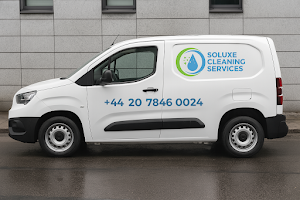
London Deep Cleaning That Resets the Space Properly – Soluxe Cleaning Services
We cover London, so if your workplace feels “fine” but still looks tired up close, we can step in with a proper deep clean reset.
Tell us what’s bothering you most and we’ll scope the work clearly, including out-of-hours options where needed. Book a deep clean with Soluxe.







What Deep Cleaning Means in a Commercial Setting
Deep cleaning is not a longer version of routine cleaning. It has a different purpose. Routine cleaning keeps the space presentable day to day: empties bins, cleans washrooms at a surface level, wipes touchpoints, and maintains floors. Deep cleaning restores the standard when routine tasks no longer shift the residue.
In a commercial setting, deep cleaning focuses on the areas that build up over time. That includes corners, edges, high ledges, behind accessible furniture, and details in washrooms and kitchenettes. The goal is to remove the “layer” that makes a space feel stale even when it technically looks clean.
Deep Clean vs Routine Clean: The Clear Difference
A routine clean maintains. It keeps the workplace usable and visitor-ready when standards are already stable. It also protects time, because it is designed to fit into regular schedules without disruption.
A deep clean resets. It targets what routine cleaning cannot fully address, such as greasy edges, limescale build-up, high dust, and dull floor film. It is the difference between wiping a surface and restoring it to a better baseline. After the reset, routine cleaning becomes more effective, because cleaners are no longer chasing stubborn residue.
What Deep Cleaning Typically Includes
Deep cleaning commonly includes detail work in washrooms, extra degreasing in kitchenettes, and more intensive floor care. It can also include high dusting of vents and ledges, cleaning skirting and edges, and removing marks from doors and frames where feasible.
It may also include tasks “behind the obvious,” such as cleaning behind accessible bins, around fixtures, and in corners where dust and grime collect. The exact list should be defined through a site walkthrough and a clear scope, so you know what will be done and what will be handled as an add-on.
Areas That Benefit Most From Deep Cleaning
Deep cleaning delivers the biggest impact where use is highest and residue builds fastest. That is why washrooms and kitchenettes often sit at the top of the list. Floors also benefit heavily, because they take constant wear and trap grime that routine mopping cannot fully remove.
These areas also influence perception. When washrooms feel tired, staff complain. When kitchenettes smell, morale drops. When floors feel sticky, visitors notice. Deep cleaning solves the root issues instead of repeating surface-level fixes.
Washrooms: Detail Cleaning That Removes the “Never Quite Fresh” Problem
Washrooms create complaints quickly. Even with routine visits, edges around taps, grout lines, and corners can hold residue that keeps the space feeling stale. A deep clean includes washroom detail: more thorough attention to fixtures, tiles, and the areas that collect build-up over time.
This is not about perfection. It is about restoring freshness and consistency. Once the washrooms get a reset, routine cleaning keeps them in a better state with less effort, which reduces repeat complaints.
Kitchenettes and Break Areas: Degrease Where Routine Wipes Fail
Kitchenettes collect grease, spills, and food residue. Wiping counters helps, but grease film often sits on cupboard fronts, splashbacks, edges, and appliance exteriors. Deep cleaning includes kitchen degrease work that lifts stubborn residue and refreshes the area.
Kitchenette deep cleaning also helps with odours. Old residue can hold smells, especially around bins and corners. A proper reset makes the space more comfortable without relying on strong fragrances.
Floors: Hard Floor Scrubs and Carpet Extraction Where Needed
Floors hold more grime than most people realise. Hard floors can develop dull film and sticky patches from repeated mopping with residue left behind. Deep cleaning often includes a scrub and refresh that removes this film and restores a cleaner look.
For carpets, carpet extraction can be a key deep-clean tool. It lifts embedded residue and refreshes areas that look tired from heavy footfall. This supports presentation and reduces that “grimy floor” feel that routine vacuuming cannot fully fix.
High-Touch Areas and Shared Equipment
High-touch areas include handles, switches, push plates, shared kitchen appliances, and common equipment. Routine cleaning usually covers these, but deep cleaning can reinforce standards when marks and grime build up around edges.
Deep cleaning also targets the surrounding areas that routine cleaning often misses. That includes door frames, edges around switches, and the places where fingerprints accumulate. It improves the overall “fresh” feel across the site.
High Dusting: Vents, Ledges, and Overhead Build-Up
High dust sits quietly until someone notices it, then it becomes a constant irritation. Vents, ledges, top edges of partitions, and high corners can collect dust that makes spaces feel tired.
Deep cleaning includes high dusting where safe and accessible. It refreshes air outlets and visible ledges, which helps the space feel cleaner and more cared for, especially in meeting rooms and reception areas.
Glass and Partitions (Where Agreed)
Internal glass partitions and panels show marks under light. Routine cleaning may spot-clean obvious fingerprints, but deep cleaning can provide a more thorough reset if glass presentation matters for clients or leadership visits.
Scope matters here. Some businesses prefer glass cleaning to be scheduled periodically rather than included in every deep clean. The right approach depends on how much glass you have and how visible it is.
Benefits of Deep Cleaning Services
Deep cleaning delivers value because it tackles root causes, not symptoms. When you remove layers of grime, you stop the cycle of repeating the same surface wipe while standards still feel poor. Below are commercial benefits that matter to managers and teams.
1) A Clear Reset When Standards Have Drifted
Routine cleaning can keep up for a while, then standards drift slowly. Dust collects higher up, floor film builds, and washrooms start to feel less fresh. A deep clean resets the baseline, which makes the whole site feel “properly clean” again.
This reset also reduces stress. Instead of chasing complaints weekly, you address the cause and return to a stable standard. It is the quickest way to regain control when the site feels tired.
2) Fewer Recurring Complaints About Washrooms and Kitchenettes
Recurring complaints often come from detail issues. Washrooms that never feel fresh usually have build-up in edges, grout, and around fixtures. Kitchenettes that smell often have residue in corners, bins, and grease around surfaces.
Deep cleaning targets those details through washroom detail and kitchen degrease work. Once those areas are reset, routine cleaning can maintain them more easily, which reduces repeat complaints.
3) Better First Impressions Without Last-Minute Panic
Visitors notice cleanliness fast, even if they do not say it. Dull floors, marked doors, and tired washrooms quietly affect trust. Deep cleaning restores presentation before important visits, audits, or leadership reviews.
The benefit is not only appearance. It is predictability. You can plan deep cleans strategically, which removes the need for chaotic “panic cleans” the day before an inspection.
4) Safer Floors and Reduced Slip Risks in High-Use Areas
Sticky floor film and residue in entrances and kitchenettes can become a safety issue, especially in wet weather. Deep cleaning helps remove build-up and restores a cleaner surface.
This supports safer movement through the workplace. It also reduces small incidents and near-misses that create discomfort for staff. Keep claims realistic: deep cleaning supports better floor condition, but safety also depends on mats, footwear, and site controls.
5) Asset Protection for Floors, Fixtures, and Surfaces
Residue and grime can wear surfaces faster. Floor film can dull finishes. Grease can damage appearance. Limescale can make fixtures look older than they are. Deep cleaning protects the look of assets by removing build-up before it becomes stubborn.
This is one of the most overlooked benefits. Even when you plan future refurbishments, protecting current surfaces saves time and cost. It also keeps the workplace looking maintained rather than neglected.
6) Routine Cleaning Becomes Easier and More Effective After
Routine cleaning struggles when it has to fight layers of old residue. After a deep clean, routine visits become maintenance again, not rescue work. Cleaners can achieve better results in less time because surfaces start from a cleaner baseline.
That improves consistency. It also reduces the risk of missed tasks, because teams are not overwhelmed by stubborn grime. In practice, deep cleaning makes your ongoing contract work better.
7) Improved Morale Through a Workplace That Feels Cared For
A workplace that feels stale affects morale. Staff may not complain directly, but it shows in little behaviours: avoiding the kitchenette, dreading washrooms, or feeling less pride in the space.
Deep cleaning creates a noticeable “reset moment” that teams feel. It signals that the business cares about the environment. That sense of care supports morale and workplace confidence without resorting to exaggerated promises.
8) Inspection and Audit Readiness With Fewer Surprises
Audits and inspections create pressure. Deep cleaning reduces that pressure by addressing details that inspectors notice: edges, build-up, floor condition, washroom standards, and general presentation.
This does not guarantee outcomes, but it supports readiness. A clean, organised environment also makes management feel more in control, which matters when you need calm execution.
9) Odour Control That Targets Causes, Not Cover-Ups
Odours in commercial settings often come from bins, kitchen residue, and trapped grime around floors and corners. Air fresheners can mask issues, but they rarely solve them.
Deep cleaning helps remove the residue that causes smells. It also improves the “fresh” feel across the site. This is especially helpful in kitchenettes, washrooms, and waste-handling areas.
10) Consistent Presentation Across Customer and Staff Areas
Some businesses focus on front-of-house and neglect back areas. Over time, that creates an uneven standard. Deep cleaning can bring all areas back to a consistent baseline, so staff and visitors experience the same level of care.
Consistency reduces complaints and improves overall reputation. It also supports a more professional feel across the whole operation, not only the areas customers see.
When to Schedule a Deep Clean
Deep cleaning works best when scheduled proactively. If you only deep clean when problems are obvious, standards can drop too far and recovery becomes harder. A planned approach keeps the workplace consistently maintained.
The right schedule depends on footfall, usage, and building type. Many businesses use deep cleaning as a periodic reset and rely on routine cleaning for maintenance.
Seasonal Resets That Keep Build-Up Under Control
Seasonal changes can increase grime and dirt, especially around entrances and shared areas. A seasonal deep clean helps reset floors, washrooms, and common spaces after heavier use periods.
This is also a good time to address high dusting and detail work that routine cleaning does not cover. The aim is a reset that makes the next season easier to manage.
After Refurbishments or Building Works
Post-works mess is different from day-to-day dirt. Dust settles on ledges, vents, and corners. Marks appear on surfaces, and floors pick up residue from foot traffic.
A deep clean after works protects presentation and helps restore comfort. It also prevents dust from becoming a long-term issue that routine cleaning struggles to remove.
Before Audits, Inspections, or High-Stakes Visits
Deep cleaning before audits reduces pressure. It helps ensure washrooms, floors, and high-use areas reflect the standard you want to show.
This is where a defined clear scope matters. You want targeted work on the areas that will be seen and assessed, not a generic clean that misses key details.
After Illness Spikes: Hygiene Reassurance Without Claims
Sometimes businesses want reassurance after a period of increased illness. Deep cleaning can support a stronger sense of hygiene by focusing on shared spaces, touchpoints, washrooms, and kitchenettes.
Keep expectations sensible. Deep cleaning supports cleanliness and confidence, but it is not a medical guarantee. Pair deep cleaning with sensible workplace hygiene practices for best results.
How to Choose a Deep Cleaning Provider
Deep cleaning requires planning, correct methods, and clear communication. Choosing the right provider comes down to scope clarity and the ability to deliver consistent, checkable results.
Avoid vague quotes that promise “full deep clean” without specifics. You want measurable tasks, agreed priorities, and clear quality control.
Site Walkthrough and Clear Scope
A site walkthrough defines what needs attention and what “done” looks like. It also helps identify access issues and priorities such as washrooms, floors, and kitchen areas.
From the walkthrough, the provider should produce a clear scope: what is included, what is optional, what surfaces are covered, and what is excluded. This prevents surprise expectations and supports accountability.
Products and Surface Safety
Commercial deep cleaning involves different surfaces: stainless steel, painted walls, sealed floors, tiles, glass, and more. Products must match surfaces to avoid damage and residue.
A professional provider can explain product approach in simple terms. They should avoid harsh methods where unnecessary and use techniques that preserve finishes while removing grime.
Training, Vetting, and Insurance
Deep cleaning often happens out-of-hours, when fewer staff are present. That requires trust, site discipline, and correct access handling. Training ensures methods are safe and consistent.
Vetting and insurance add reassurance. You want a provider who treats access, safety, and responsibility as part of the job, not as an afterthought.
Quality Checks and Sign-Off
Deep cleaning should include quality checks and a sign-off process. This can be a checklist, walk-through, or photographic confirmation, depending on what suits your site.
Quality checks reduce repeat issues and give you confidence that the work matched the scope. It also helps build a reliable long-term relationship with the provider.
FAQs About Deep Cleaning Services
Conclusion
Deep cleaning matters because routine cleaning cannot solve everything. The benefits of deep cleaning services show up in the details: washrooms that feel fresh again, kitchenettes that lose the lingering grime, floors that stop feeling sticky, and high dust that no longer drags the space down. It also supports safer surfaces, better presentation, and fewer recurring complaints.
If you want consistent standards, treat deep cleaning as a planned reset, not a last resort. Start with a walkthrough, define a clear scope, and choose a provider who backs work with quality checks.
Once the baseline is restored, routine cleaning becomes simpler, more consistent, and easier to manage.